Cultural gender identities
Third and other genders recognised within specific cultures, most of them older than the word "transgender".
- Twenty-two identities
- one with a settled flag
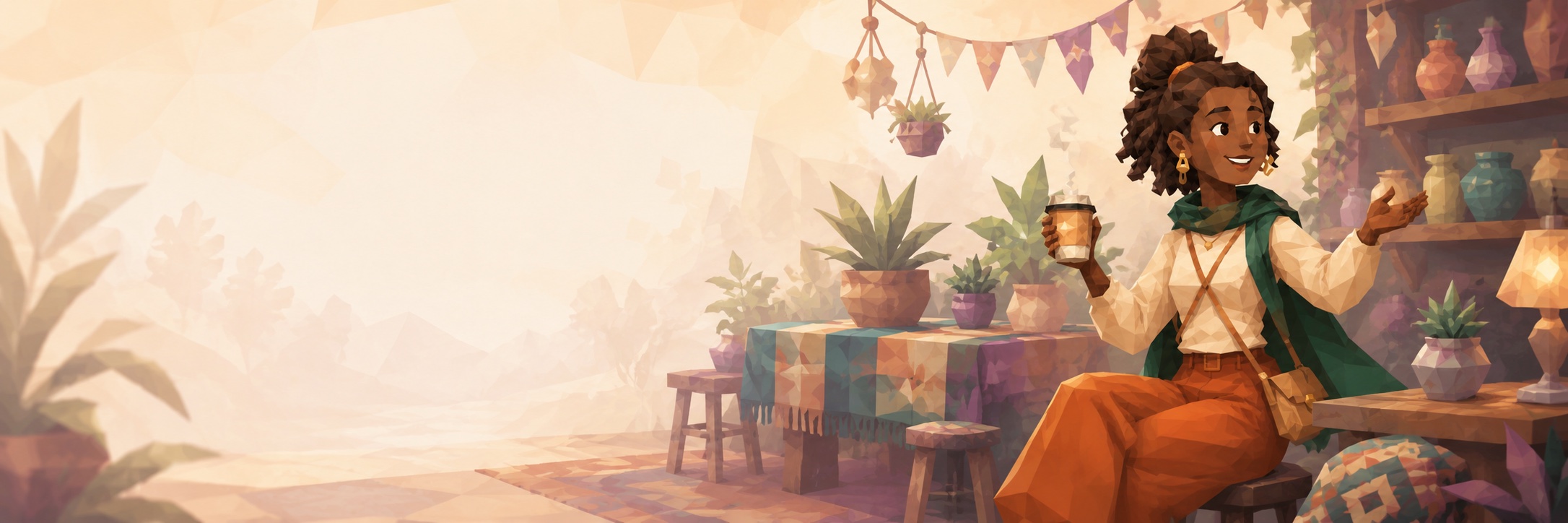
Twenty-two identities sit under Cultural here: Two-Spirit, Hijra, Māhū, Fa’afafine and eighteen more.
Each has its own page: what it feels like day to day, how it differs from the ones next to it, and honest reasons it might not be you. The cards below are the short version. It suggests. You decide.
All twenty-two Cultural identities
Flag, name, one line. The full description is one click away.
An Indigenous North American word for gender that arrives bundled with community, ceremony and a job to do — and it belongs to Native people only.
A South Asian community, kinship system and gender role you are taken into by a guru and a house — not a word you can pick up for how you feel.
A Hawaiian and Tahitian word for a person in the middle — between kāne and wahine — and a position in the community that came with work attached. It belongs to Kānaka Maoli and Māʻohi.
A Samoan gender. Assigned male at birth, living in the manner of a woman, inside a Samoan family that mostly knew before you did. It belongs to Samoans.
A third gender inside Zapotec life on the Isthmus of Tehuantepec: assigned male at birth, raised into a role the town already has a word, a fiesta and a set of obligations for.
An old Thai word for people born male who live as women, or somewhere alongside them. It belongs to Thai people. It is used every day and disliked by plenty of the people it describes.
A Sakalava word from Madagascar for someone assigned male at birth who was recognised as a girl in early childhood, raised as one, and lives as a woman — a word that belongs to that community and is not open to outsiders.
A Filipino word for someone born male who carries a feminine loob and is usually drawn to men — one word holding what English insists on splitting into "gay" and "trans".
Devotees of the goddess Yellamma in south India, assigned male and living in feminine dress: a role you're dedicated into, not a label.
A Filipino trans woman: a word made by Filipino trans women to say 'woman', where bakla says something else.
Pakistan's own word for its third-gender community — respectful, precolonial, and belonging to the people who carry it.
A Latin American gender in its own right — assigned male, living feminine, and often refusing "woman" on purpose.
A Tahitian word for transfeminine people who live openly as women. It belongs to Māʻohi people, and it is not the same as māhū.
A Māori word — once for a devoted same-sex companion, now an umbrella for Māori who are queer or gender-diverse. Māori, and Māori only.
MVPFAFF is a Pacific acronym — māhū, vakasalewalewa, palopa, fa'afafine, akava'ine, fakaleitī, fakafifine. A coalition, not a gender.
A category applied from outside — by anthropology and by law — to genders neither man nor woman. Some from those cultures reclaim it.
A Tamil word for the hijra-community people of Tamil Nadu, tied to the god Aravan — and one many now set aside for thirunangai.
Tamil Nadu's own word for a trans woman — "respected woman" — chosen by the community to replace older, harsher names.
An Indonesian word for people born male who live as women or femininely. It belongs to Indonesia, and it is not a synonym for trans woman.
A Samoan gender. Assigned female at birth, living in the manner of a man, inside a Samoan family. It belongs to Samoans.
A Tongan gender: assigned male at birth, living in the manner of a lady, inside Tongan family and church life. It belongs to Tongans.
Indigenous and queer, in Indigenous ways: a Native word for gender or desire outside colonial boxes, built as an alternative to Two-Spirit.
Flags in this category
One of the twenty-two have a settled community flag, each with its own flag page. The rest have no flag everyone agrees on, so they show as a hatched swatch: inventing one for someone else’s identity isn’t ours to do.
Compare within Cultural
The distinction is the useful part. Side by side, the difference stops being abstract.
Not sure where you fit?
Twenty questions across six dimensions, then a ranked shortlist rather than a verdict. Scoring runs on your device; nothing you answer leaves it.
Other categories
Eight more categories, 116 more identities. See all 138 in one place →
Binary
Gender identity that lines up with the sex assigned at birth. Cis is a description, not a default.

Transgender
Gender identity that differs from the sex assigned at birth. An umbrella, not a single experience.
Non-Binary
Identities outside the man/woman binary. Both, neither, in between, or something else entirely.
Demigender
A partial connection to a gender. Some of it fits, and the rest is something else.
Fluid
Gender that moves. The identity itself shifts, or its intensity does, or both.
Agender
The absence of gender, in its various shapes — none, null, void, or simply not applicable.

Xenogender
Genders described through things other than man and woman: light, sound, weather, growth, colour.
Exploring
Working it out, or deliberately declining to. Both are places to stand, not waiting rooms.