
Every gender identity, described properly
138 identities across nine categories. Each one is a real description of a real experience, not a dictionary entry.
How many genders are there?
There is no fixed number, and anyone who gives you one is simplifying. Gender identities are words people use for themselves. New ones get coined, old ones fall out of use, and two careful people writing a list of all gender identities on the same afternoon will end up with different totals. That is not a failure of the lists. It is what happens when you count language instead of objects.
So when you see “76 genders”, “72 genders” or a “100 genders list”, you are not looking at a count of how many genders exist. You are looking at one person’s list, on one day, using their own rules about what counts. Ours has rules too, and they are written here so you can see exactly what our number is made of.
What the count depends on
- Whether you count ways of presenting as genders. Words like tomboy, femboy, drag queen or masc describe how somebody looks, dresses or comes across — not what they are underneath. Lists that fold these in get a bigger number. We keep them separate.
- Whether you count regional and cultural terms. Two-Spirit, hijra, muxe, fa’afafine and others come out of specific cultures with their own history, and several are not open to outsiders to claim. Include them and the list grows; leave them out and you are quietly deciding that only English-language terms count.
- Whether you count umbrella terms. Non-binary, genderqueer and third gender each cover dozens of more specific identities. Count the umbrella once, or unpack everything under it, and you get two very different totals from the same set of people.
Binary
Gender identity that lines up with the sex assigned at birth. Cis is a description, not a default.
The Binary hub · 2 identities →
Transgender
Gender identity that differs from the sex assigned at birth. An umbrella, not a single experience.
The Transgender hub · 7 identities →
You were assigned female at birth and you are a man — not as a hope or a performance, but as the plain fact you keep having to explain to people.
A woman who was assigned male at birth — which is the whole definition, and almost none of the experience.
Raised as a girl, headed masculine — and "man" is an option, not a requirement.
You are facing towards the feminine. Whether the word at the end of that is "woman" is a separate question, and you are allowed to leave it open.
You're trans, and the place you're heading is the middle — held on purpose, not passed through on the way to somewhere else.
Trans, and fluid: your gender moved away from what you were assigned, and it keeps moving.
Trans, and heading for neutral: away from the gender you were assigned, not towards the other one. The dial goes to zero, not across.
Non-Binary
Identities outside the man/woman binary. Both, neither, in between, or something else entirely.
The Non-Binary hub · 28 identities →
Non-binary is the umbrella word for a gender that isn't man or woman: both, neither, partly, or something those two words don't reach.
A gender that does not resolve into man or woman, where the refusal to resolve is part of the point rather than a gap waiting to be filled.
Two genders. Not half of each — two whole ones, both of them you.
Three genders. Not one gender in three outfits, not two and a maybe — you have counted honestly, more than once, and it keeps coming out three.
Your gender isn't one thing, and it isn't nothing — it's several at once, and the plural is the whole point.
More than one gender — not one complicated gender, but several, sometimes at once, sometimes taking turns.
Both, not neither — a gender that runs masculine and feminine at the same time, in one person, and does not put either one down.
A gender that sits between man and woman rather than outside them — and a word much of the intersex community says belongs to intersex people alone.
A gender you feel clearly and specifically — it just isn't male, female, a blend of the two, or the space in between.
There is definitely a gender there. It just isn't male, isn't female, isn't a blend of the two, and isn't neutral — it's its own thing, and the language for it doesn't exist yet.
Your gender is there, it is specific, and no word that currently exists carries it — so you stopped waiting for one to arrive.
Boyish, but not a boy. Masculine, but not male — standing right next to manhood without ever being inside it.
A gender that sits beside female instead of within it — near enough that "woman" is the closest word, far enough that it's the wrong one.
Two genders at once, held steady — not taking turns, not blending into one.
A man and a woman and neither one, all at the same time — one gender, not two taking turns.
A centuries-old word for neither-one-nor-the-other, taken up by a small number of people as a name for a gender that can't be sorted — not a blend of two, just unreadable.
Gender you refuse to make easy for people. The illegibility is deliberate, and it is the point.
A masculinity built inside queer life, by people who were not men and mostly were not trying to be.
Femininity held as a queer position rather than a default — chosen, worked at, expensive, and almost never read correctly from outside.
Masculine, but not a man. Boyish on purpose, and not planning to grow out of it.
All the genders at once, carried as one thing. Not undecided. Not empty. Crowded.
A gender with nothing masculine or feminine in it: not between them, not a mix, and not necessarily an absence either.
Two settings on one switch: agender at one end, another gender at the other, and never both at once.
Non-binary, and feminine at the root. Not a woman — but the femininity is the real thing, not a costume.
Not outside the binary — against it. A gender defined as the opposite of man-and-woman together.
A gender that can only be described as you: no outside reference, no comparison, no metaphor — just yourself.
All the genders available to you. Pangender with the limit written into the word.
More than one gender. Two, three, a crowd — held at once or in turns, and all of them yours.
Demigender
A partial connection to a gender. Some of it fits, and the rest is something else.
The Demigender hub · 9 identities →
A partial connection to a gender — enough to be real, not enough to be the whole answer.
Demigirl means being partly a woman — a real connection to womanhood that only goes so far, with the rest being some other gender or none at all.
A demiboy is partly a boy or a man and partly something else, and the partial bit is the point, not a stage on the way to the whole thing.
Part of you sits outside man and woman — clearly, steadily, and not all of you.
Part of your gender is bolted down and never moves. Another part keeps changing. Both of those are permanent.
Part of your gender holds still, and it was never a whole gender to begin with. Another part rises and falls in strength — loud some weeks, barely there in others.
Mostly one gender, permanently short of all of it — standing beside a gender rather than inside it.
Your gender isn't partial and it isn't missing. It's too much for the word that's meant to hold it.
Mostly a girl or a woman, and not entirely. The girl part outweighs the rest; the rest is usually nothing in particular.
Fluid
Gender that moves. The identity itself shifts, or its intensity does, or both.
The Fluid hub · 23 identities →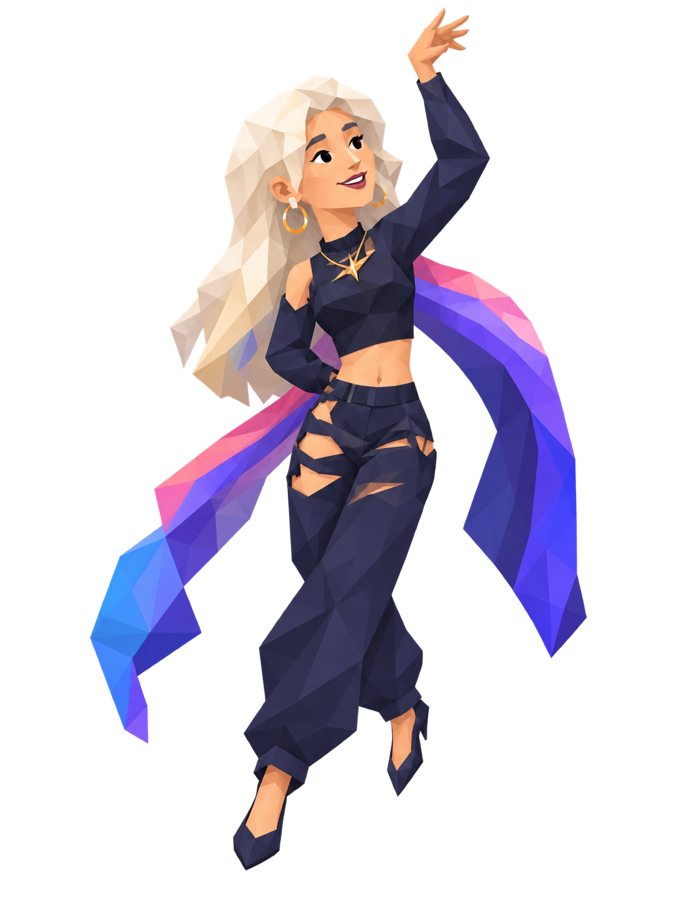
Genderfluid means the gender underneath changes over time, so man, woman, both, neither, or something with no name at all can each be accurate depending on the day.
Your gender doesn't swap stations. It changes volume — loud some weeks, faint others, sometimes off entirely.
Your gender changes — and so does how much of it there is.
Pulled towards a gender you cannot confirm is yours.
A gender that moves with your surroundings — the room changes, and so does what you are in it.
How much your gender matters to you goes up and down. The gender itself can stay perfectly still.
You may well have a gender. You have never been able to make yourself care which one.
You are not missing a gender. You just can't make yourself care about the one you've got.
A gender that's there, but faint — and a matching lack of urge to do anything about it.
Gender that moves on a schedule: a set rota of genders, or, in the other definition, one that tracks a partner's shifting attraction.
Several genders, and fluid between them: often more than one at a time, and which ones keeps changing.
Two genders, and each one moves — or one gender that moves between exactly two. Either way, the motion is the point.
Two genders and a switch between them — abrupt, complete, nothing in between.
Fluid between boy, neutral, androgynous and nothing — never a girl. The anchor is boyhood, not masculinity.
Your gender moves in a cycle — the same phases, in the same order, coming round again. Like the moon, not like the weather.
How much of a boy you are changes. Which gender it is does not — a whole boy, a faint one, sometimes none at all.
Fluid, but every stop keeps a feminine cast: girl, demigirl, a soft boy, something xenic — always with the femininity intact.
Indifference to gender with something in motion — the gender itself, how little it matters, or both.
A non-binary gender that changes volume — fully there some weeks, faint others, sometimes gone to agender — without swapping station.
Fluid mostly between male and masculine genders, occasionally elsewhere — but everything you land on keeps a masculine cast.
Fluid between girl, neutral, androgynous and genderless — never male — and anchored to being a girl rather than to femininity.
The girl part rises and falls. Full some weeks, faint others, sometimes gone, while the anchor stays a girl.
A gender that changes at random and often feels broken into pieces: several genders at once, none of them whole, no pattern to the shifts.
Agender
The absence of gender, in its various shapes — none, null, void, or simply not applicable.
The Agender hub · 17 identities →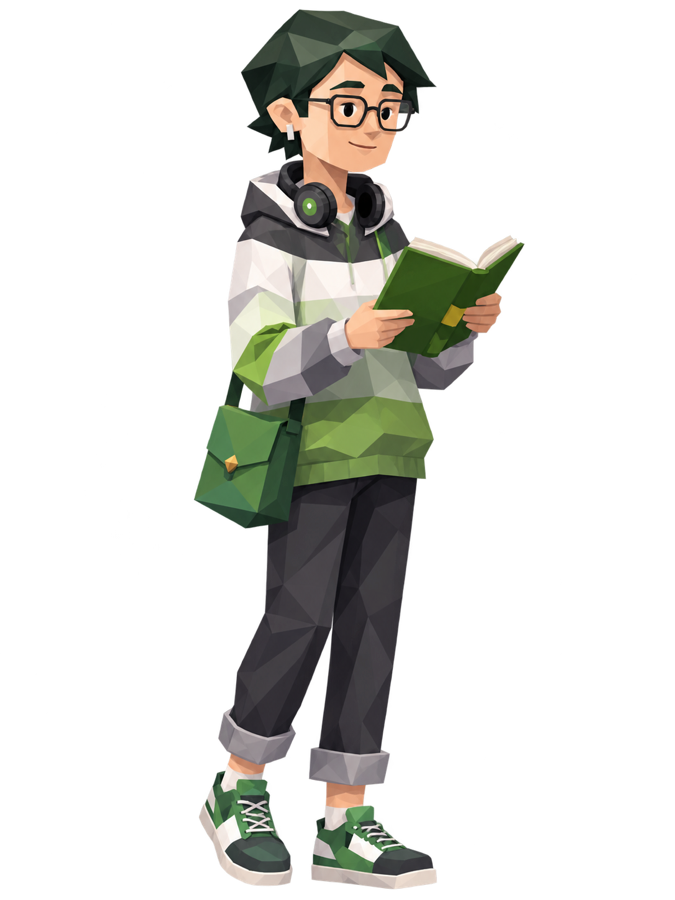
Agender is having no gender at all: not a blend of two, not a quieter version of one, just nothing where other people report something — though some describe that nothing as neutral rather than empty.
A neutral gender — not a man, not a woman, and not a mix of the two. For many people it comes with wanting a body that gives nothing away.
Gender as an empty space you can feel the edges of — not neutral, not undecided, not filled in later.
Not a gender you can't name — a blank where the value would go, and nothing aching to fill it.
Mostly without gender, with one small thread of something that never quite lets go.
Not a gender that went missing — a concept that never reached you in the first place.
Not without gender so much as out of it — a rare word, used by very few people, and even they don't agree on what it means.
Nothing, most of the time — with a dial that drifts up and then back down again.
Mostly agender, around three-quarters, with the rest another gender that never quite goes.
Genderfae with an agender floor: your gender moves, never towards man, and most of the time nothing is there at all.
A gender you no longer have, that still shaped who you are. Not absence — aftermath.
Mostly nothing, sometimes something — and the something is never a woman.
Fluid, with a floor of nothing: other genders come and go, and you always drift back to agender.
Having no gender, said as plainly as English allows. Agender's plain-English twin, for when the absence needs no footnote.
Ungender is genderless with a push: not just no gender, but the polar opposite of the whole idea of gender.
Practically or partly agender because holding a gender is too stressful to keep up. Named after Virgo.
A neutral gender: not a man, not a woman, not a mix, not a midpoint. Also, separately, the word for toilets and names that take no side.
Xenogender
Genders described through things other than man and woman: light, sound, weather, growth, colour.
The Xenogender hub · 27 identities →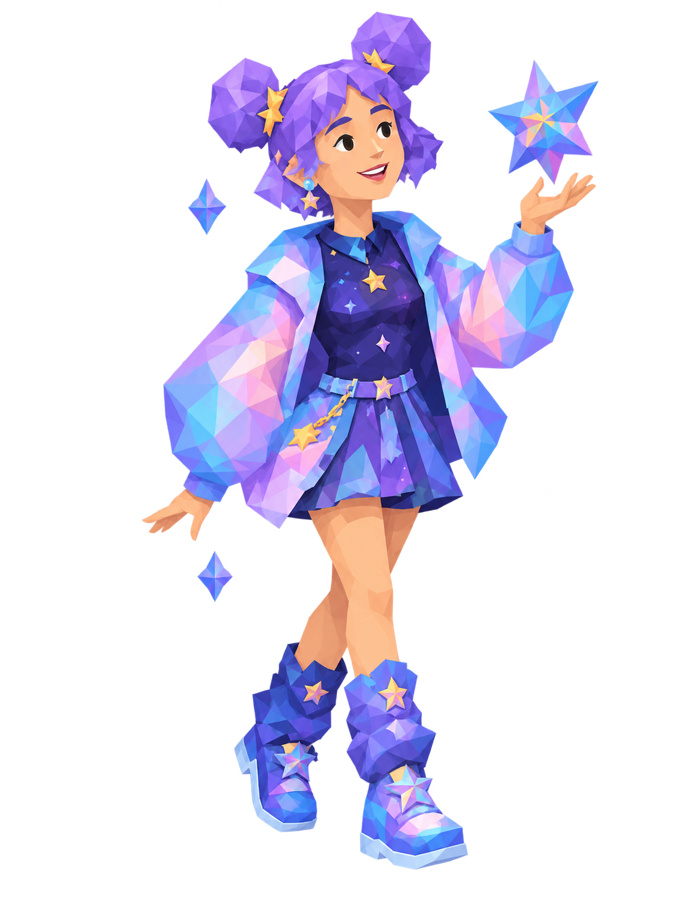
A gender that makes complete sense to you, described with words that have nothing to do with man or woman.
A gender the word "star" describes better than "man", "woman" or "neither" — burning, distant, and there whether or not anyone is looking up.
A gender that feels cold and snowy — frost as the nearest honest description, when no human gender word gets close.
Your gender moves. It can land almost anywhere — except on man.
Your gender moves. It just never moves feminine — not rarely, never.
A gender you can only really explain through sound — or one that shifts shape the more you hear it named.
The most accurate answer to "what's your gender" isn't a word — it's a colour, a texture, a particular quality of light.
A gender that sits closer to weather, soil and growing things than to man or woman — described with a word only a small number of people use.
Your gender is tangled up with your kintype — pull one out and the other comes with it.
A gender your voice doesn't describe — it's the thing your gender is made of.
A gender that opens and goes dormant with the conditions around you — light, season, weather, room — rather than holding still or swinging between man and woman.
The truest short answer you have to "what is your gender" is a colour, and it is not a metaphor for anything else.
Not a mix of the two. Not the absence of one. A specific other thing — and "other" is the most accurate word you have for it.
A gender that's animal in some way: connected to one creature, to many, or to animals in general.
Your gender moves. It can be masculine. It is never entirely a binary man.
Snowgender is the winter stop of quagender — a gender that arrives with the cold and leaves with it. It has no meaning on its own.
A xenogender that feels bright and celestial. The radiance is the point, and it can sit on top of masculine, feminine or neither.
A gender too vast to take in at once. You only ever see the part you are pointing the telescope at.
A gender, or the absence of one, that sits above the whole gender spectrum rather than anywhere on it.
A gender that feels like space: void-like and never-ending, full and empty at the same time.
A gender that space describes better than man, woman or neither — not one star, the whole dark field of them.
A gender that feels like what fills a galaxy — planets, moons, black holes, the lot — with a masculine and a feminine version on offer.
A colour gender that will not hold one colour: any hue, any shade, changing as it likes.
A gender that is a star, or is like one: burning, far off, and there whether or not anyone is looking up.
Non-binary and xenogender at the same time, and unwilling to drop either word.
A gender that moves with the sky: masculine, feminine or neither depending on what is overhead, on an astronomical clock rather than a mood.
Genderfluid, and the places it moves between are mostly xenogenders: colour, weather, sound, creature. Ordinary movement, unusual stops.
Cultural
Third and other genders recognised within specific cultures, most of them older than the word "transgender".
The Cultural hub · 22 identities →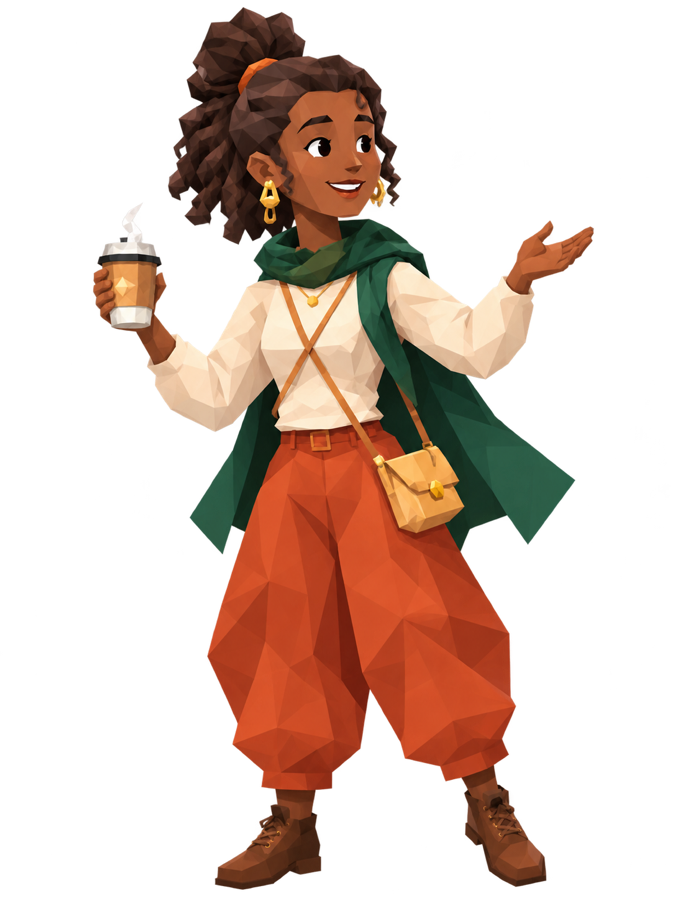
An Indigenous North American word for gender that arrives bundled with community, ceremony and a job to do — and it belongs to Native people only.
A South Asian community, kinship system and gender role you are taken into by a guru and a house — not a word you can pick up for how you feel.
A Hawaiian and Tahitian word for a person in the middle — between kāne and wahine — and a position in the community that came with work attached. It belongs to Kānaka Maoli and Māʻohi.
A Samoan gender. Assigned male at birth, living in the manner of a woman, inside a Samoan family that mostly knew before you did. It belongs to Samoans.
A third gender inside Zapotec life on the Isthmus of Tehuantepec: assigned male at birth, raised into a role the town already has a word, a fiesta and a set of obligations for.
An old Thai word for people born male who live as women, or somewhere alongside them. It belongs to Thai people. It is used every day and disliked by plenty of the people it describes.
A Sakalava word from Madagascar for someone assigned male at birth who was recognised as a girl in early childhood, raised as one, and lives as a woman — a word that belongs to that community and is not open to outsiders.
A Filipino word for someone born male who carries a feminine loob and is usually drawn to men — one word holding what English insists on splitting into "gay" and "trans".
Devotees of the goddess Yellamma in south India, assigned male and living in feminine dress: a role you're dedicated into, not a label.
A Filipino trans woman: a word made by Filipino trans women to say 'woman', where bakla says something else.
Pakistan's own word for its third-gender community — respectful, precolonial, and belonging to the people who carry it.
A Latin American gender in its own right — assigned male, living feminine, and often refusing "woman" on purpose.
A Tahitian word for transfeminine people who live openly as women. It belongs to Māʻohi people, and it is not the same as māhū.
A Māori word — once for a devoted same-sex companion, now an umbrella for Māori who are queer or gender-diverse. Māori, and Māori only.
MVPFAFF is a Pacific acronym — māhū, vakasalewalewa, palopa, fa'afafine, akava'ine, fakaleitī, fakafifine. A coalition, not a gender.
A category applied from outside — by anthropology and by law — to genders neither man nor woman. Some from those cultures reclaim it.
A Tamil word for the hijra-community people of Tamil Nadu, tied to the god Aravan — and one many now set aside for thirunangai.
Tamil Nadu's own word for a trans woman — "respected woman" — chosen by the community to replace older, harsher names.
An Indonesian word for people born male who live as women or femininely. It belongs to Indonesia, and it is not a synonym for trans woman.
A Samoan gender. Assigned female at birth, living in the manner of a man, inside a Samoan family. It belongs to Samoans.
A Tongan gender: assigned male at birth, living in the manner of a lady, inside Tongan family and church life. It belongs to Tongans.
Indigenous and queer, in Indigenous ways: a Native word for gender or desire outside colonial boxes, built as an alternative to Two-Spirit.
Exploring
Working it out, or deliberately declining to. Both are places to stand, not waiting rooms.
The Exploring hub · 3 identities →
You don't know yet — and the not-knowing stopped being a passing thought a while ago and became somewhere you live.
Not "my gender is none" — "I can't find what that question is pointing at."
A gender that's definitely there and won't go into words — not for lack of trying, but because none of the available words are the right shape.
Expression and terms
Ways of presenting that people wear — tomboy, femme, butch, drag — rather than identities they hold. Not identities, so they sit outside the nine categories and outside the test.
Ten terms
Looking, sounding or behaving in ways your gender isn't 'supposed' to. It describes presentation and says nothing about what you are.
A performer, usually a man, who does exaggerated femininity as a craft. It is a show, not a gender.
A boy or man who presents femininely and is still a boy about it. A look, not a gender.
The beard with the frock, on purpose. A way of dressing that makes gender's rules visible — a thing you do, not a thing you are.
Masculine in how you present — clothes, hair, carriage — whatever your gender is. A description of the outside, not a verdict on the inside.
Butch with the edges rounded — less tough, more mixing, still butch. Not a lower rank; a different setting.
Between butch and femme, or moving across both. A way sapphic women and femme-aligned non-binary people present, not a gender.
A girl or woman who does boyish, in clothes, games and attitude, and is still a girl or woman. A way of presenting, not a gender.
Someone who wears the clothes their culture files under the other gender. It says what you do, not what you are.
A butch who gives and does not take: a fact about touch inside butch life, not a level of butchness and not a gender of its own.
Questions people ask about the number
How many genders are there?
There is no fixed number, and anyone who hands you one is simplifying. A gender identity is a word people use for themselves, and people keep making new ones, retiring old ones and disagreeing about which count. What you can say honestly is how many a given list holds and why. Ours holds 138 identities across 9 categories, plus 10 more terms that describe how someone presents rather than what they are.
Is there an official list of gender identities?
No. No government, dictionary or medical body keeps one, and the lists you find online — including this one — are editorial choices about what to include. Some terms are used by thousands of people, some by a few dozen, and umbrella words like non-binary or third gender cover many identities at once. Treat any list, ours included, as a map rather than a census.
What are the 76 genders?
"76 genders" comes from a list that circulated on social media and got copied around; so did "58", "72" and "100 genders". None of them is authoritative, and they mostly differ over the same three questions: whether ways of presenting count, whether regional and cultural terms count, and whether umbrella terms are counted once or unpacked. The numbers are snapshots of one person's list on one day, not a count of how many genders exist.